

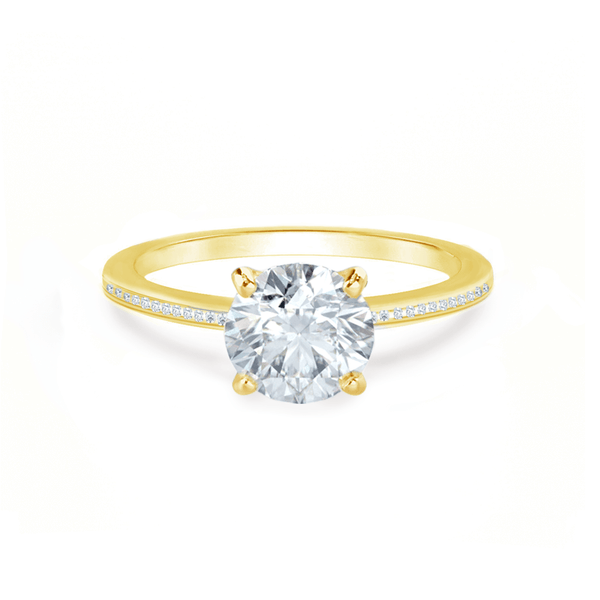
Handcrafted contemporary pieces are experiencing a surge in popularity as more consumers seek authenticity, individuality and meaningful craftsmanship in the products they choose. This renewed appreciation for handmade work has created a space where modern design and traditional skill can coexist beautifully. In this evolving landscape, brands such as lily arkwright are often associated with the growing interest in high quality artisanal creations that resonate with personal taste and conscious consumerism.
In recent years, mass produced goods have dominated retail markets due to affordability and convenience. However, a shift in mindset has been gaining momentum. Many people are increasingly drawn to items that feel unique or carry a sense of the maker’s touch. Handcrafted contemporary pieces offer this distinction. They merge clean modern aesthetics with the warmth and nuance that comes from skilled human craftsmanship. Every handmade object has slight variations, subtle details and individual character that cannot be replicated by machines. These qualities give consumers a stronger emotional connection to the things they purchase.
Another driving factor behind the appeal of handcrafted contemporary pieces is the rising value placed on sustainability. People are becoming more aware of the environmental and ethical implications of mass production. Handmade goods are commonly created in small batches, often using responsibly sourced materials or traditional techniques that generate less waste. Many artisans prioritise durability, ensuring that each piece is built to last rather than follow a short lived trend. Consumers who want to minimise their ecological footprint often find handcrafted work aligns with their values.
Furthermore, supporting artisans contributes to the preservation of skills that might otherwise fade away. Many contemporary craftspeople draw on heritage techniques while blending them with modern design sensibilities. This fusion produces objects that feel both current and timeless. Whether it is jewellery, furniture, textiles or ceramics, handcrafted pieces reflect the evolution of craft in a world where creativity and innovation continue to thrive.
The appeal also extends to the purchasing experience itself. Buying handmade is often more personal. Customers may learn the story behind the piece, understand the process involved or even engage directly with the maker. This sense of connection enhances the value of the product beyond its physical form. Instead of a transaction, it becomes an encounter with creativity and dedication. This deeper experience stands in contrast to the anonymity of factory produced goods.
In interior décor and fashion, handcrafted contemporary pieces have become important elements in creating distinctive style. They allow individuals to express their personality through objects that feel intentional and carefully chosen. A handcrafted ceramic vase, a piece of modern artisan jewellery or a custom carved chair can elevate a space or outfit, acting as a statement of taste and appreciation for artistry. As trends move toward slower living and mindful consumption, handmade items naturally complement these lifestyles.
Ultimately, the growing appeal of handcrafted contemporary pieces reflects a cultural shift towards authenticity, sustainability and meaningful ownership. People are looking for more than just objects; they want items that tell a story, support skilled makers and contribute to thoughtful living. As this appreciation continues to expand across industries, handcrafted contemporary design is likely to become an even more influential part of the modern consumer landscape.